Hardware Guide
MeshCore runs on a variety of affordable LoRa-based devices. This page covers the most popular options available in 2026, with notes on what works best for different use cases in the CSRA.
USA Band Requirement
You must buy a device with the 915 MHz LoRa band for legal US operation. Double-check product listings - many otherwise identical devices are sold in 868 MHz (EU) variants that cannot be used in the USA, and some budget devices are 433 MHz.
Affiliate links
Amazon links on this page use our affiliate tag. You pay the same price - commissions go directly toward hardware for CSRA community relay nodes. If you're buying anyway, many thanks for using our links!
Recommended Devices
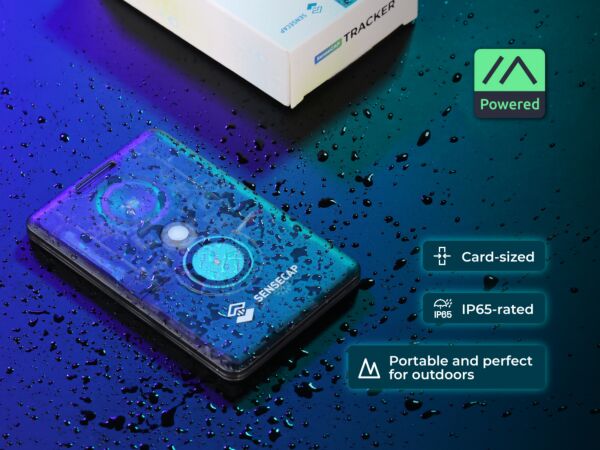
Seeed SenseCAP Card Tracker T1000-E
Best for: Everyday carry, GPS tracking
Credit-card sized and only 6.5mm thick, the T1000-E packs a full LoRa radio, GPS, and sensors into a pocket-sized IP65-rated device. Originally designed for Meshtastic but MeshCore firmware can be flashed onto it.
| Spec | Value |
|---|---|
| Chip | nRF52840 |
| LoRa | LR1110, 863–928 MHz |
| GPS | MediaTek AG3335 GNSS |
| Battery | 700 mAh Li-ion |
| Approximate Price | ~$40 |
Pros: Ultra compact, waterproof (IP65), GPS built-in, long battery life
Cons: Ships with Meshtastic firmware - requires reflashing for MeshCore; no display
Buy: Amazon · Seeed Studio
RAK WisBlock Starter Kit
Best for: Fixed nodes, custom builds
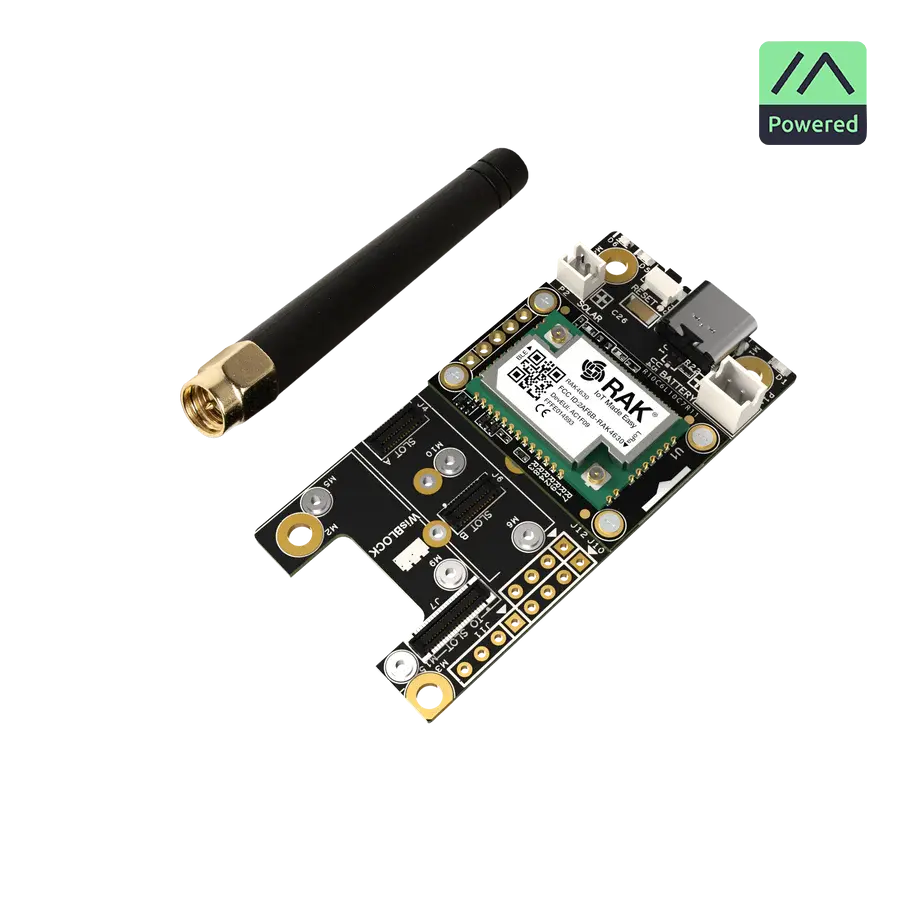
RAK's modular WisBlock system lets you mix and match radio, base board, sensor, and enclosure modules. Popular for building permanent relay nodes. Available in Basic, Client (with OLED), Tracker (with GPS), and PoE/Ethernet variants.
| Spec | Value |
|---|---|
| Chip | nRF52840 |
| LoRa | RAK4631 (SX1262), 915 MHz |
| Modular | Yes - add GPS, sensors, displays |
| Approximate Price | $25–60 depending on configuration |
Pros: Modular and expandable, very low power, great for outdoor fixed installations
Cons: Requires some assembly, more complex setup than plug-and-play devices
Buy: Amazon · RAKwireless Store
Seeed XIAO nRF52840 + Wio-SX1262 Kit
Best for: DIY builds, experimenting, lowest cost entry point
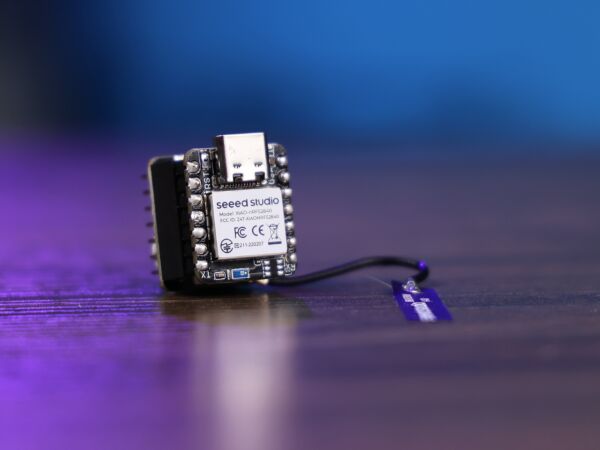
A tiny two-board kit combining the XIAO nRF52840 and a Wio-SX1262 LoRa module. Minimal footprint (21×17.8 mm) and extremely low power draw make it ideal for custom enclosures, sensor nodes, or simply getting started for as little as possible.
| Spec | Value |
|---|---|
| Chip | nRF52840 |
| LoRa | SX1262, 862–930 MHz |
| Display | None (add your own) |
| Battery | None included |
| Approximate Price | ~$13 |
Pros: Extremely affordable, tiny form factor, very low power
Cons: No display, no battery, no enclosure - requires DIY assembly; ships with Meshtastic firmware
Buy: Amazon · Seeed Studio
Seeed Wio Tracker L1 Pro
Best for: Portable use, out-of-the-box ready
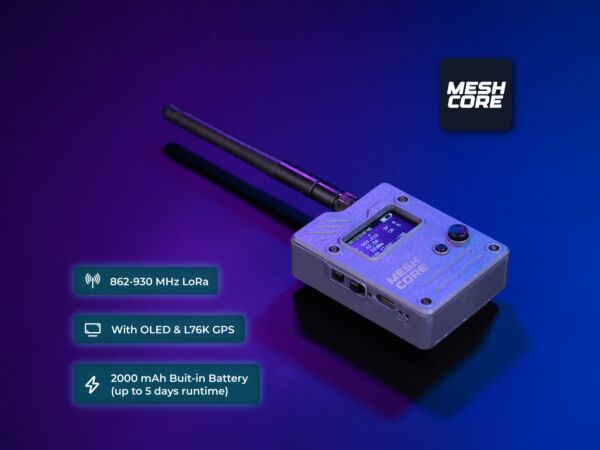
A fully assembled, rugged node in a 3D-printed enclosure with an OLED display, GPS, and battery included. Ready to deploy without any additional hardware. A MeshCore-preflashed version is available directly from Seeed.
| Spec | Value |
|---|---|
| Chip | nRF52840 |
| LoRa | SX1262, 862–930 MHz |
| GPS | L76K GNSS |
| Display | 1.3" OLED (128×64) |
| Approximate Price | ~$47 |
Pros: Complete out-of-the-box package, rugged enclosure, display and GPS included
Cons: Standard version ships with Meshtastic firmware - order the MeshCore edition or reflash
Buy: Amazon · Seeed Studio (MeshCore edition)
Seeed SenseCAP Solar Node P1-Pro
Best for: Permanent fixed relay nodes
Purpose-built for MeshCore and designed to run indefinitely off solar power. Combines solar charging, GPS, OLED display, and MeshCore repeater firmware out of the box - the only device on this list that ships MeshCore-ready from the factory.
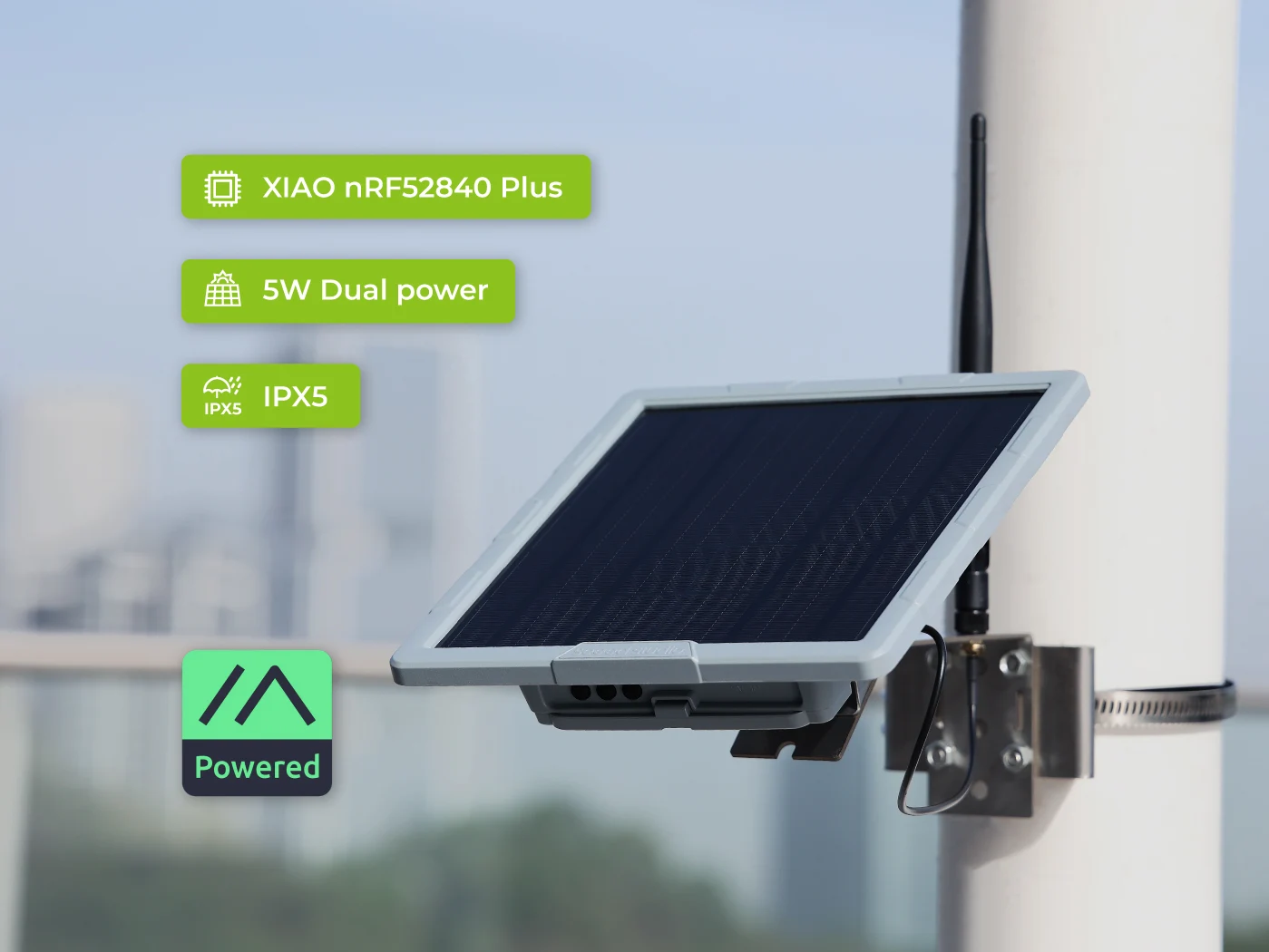
| Spec | Value |
|---|---|
| Chip | nRF52840 |
| LoRa | Wio-SX1262, 915 MHz |
| GPS | L76K GNSS |
| Display | OLED |
| Power | Solar with battery backup |
| Approximate Price | ~$90 |
Pros: Ships with MeshCore firmware, solar-powered, GPS, designed for permanent outdoor deployment
Cons: Higher cost, overkill for handheld use
Buy: Amazon · Seeed Studio (MeshCore edition)
Heltec WiFi LoRa 32 V3
Best for: Beginners, portable use
The Heltec V3 is one of the most popular MeshCore devices due to its built-in display, USB-C charging, and low cost. It's a great first device.
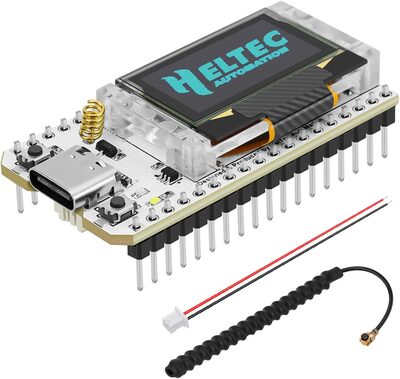
| Spec | Value |
|---|---|
| Chip | ESP32-S3 |
| LoRa | SX1262, 915 MHz |
| Display | 0.96" OLED |
| Battery | 18650 via JST connector |
| Approximate Price | $25–35 |
Pros: Cheap, widely available, integrated display, easy to flash
Cons: Smaller battery connector, no GPS, basic casing
LILYGO T-Beam
Best for: GPS tracking, mobile use
The T-Beam includes an onboard GPS module, making it ideal for location sharing and tracking. Available in multiple antenna configurations.
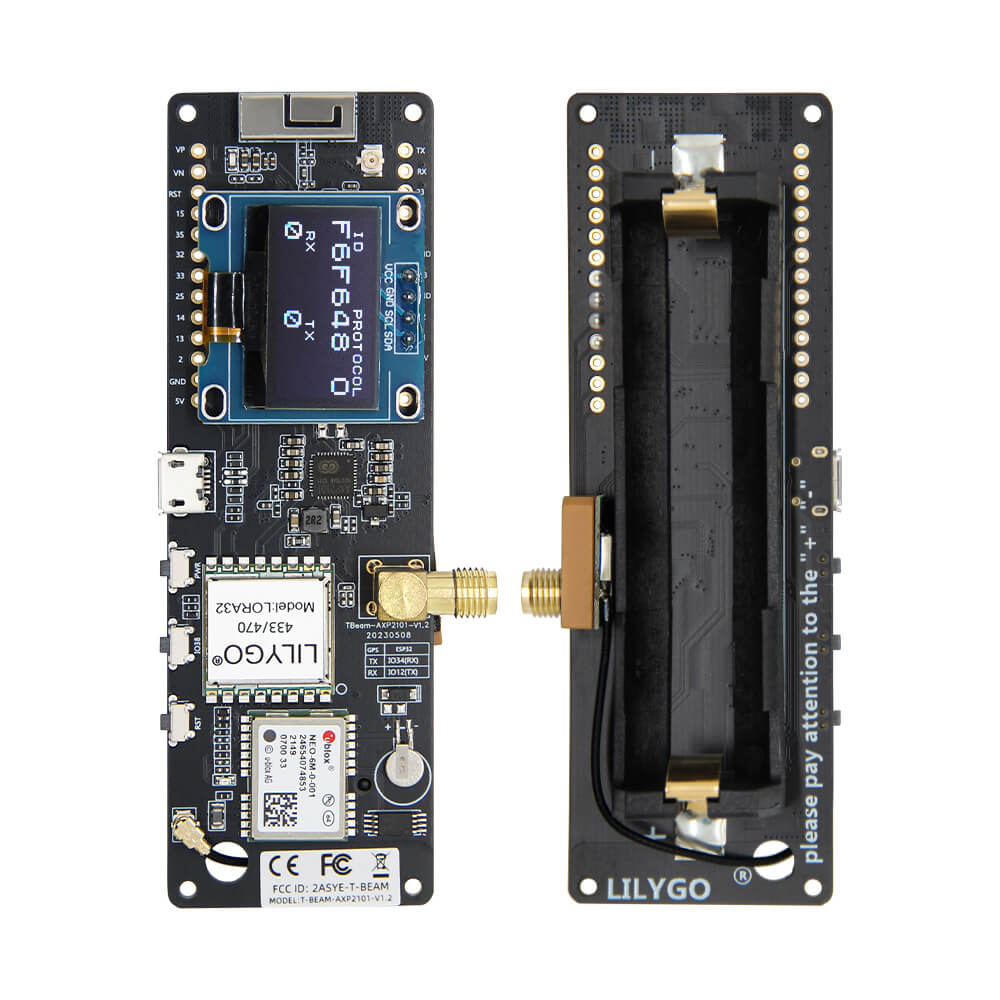
| Spec | Value |
|---|---|
| Chip | ESP32 |
| LoRa | SX1276 or SX1262, 915 MHz |
| GPS | u-blox NEO-M8N |
| Display | Optional OLED add-on |
| Approximate Price | $35–55 |
Pros: GPS built-in, 18650 battery holder included, robust community support
Cons: Larger form factor, older SX1276 on some versions (confirm SX1262 for best performance)
LILYGO T-Echo
Best for: Everyday carry, e-ink display
The T-Echo is a compact, finished-looking device with an e-ink display that's readable in direct sunlight - great for outdoor use.
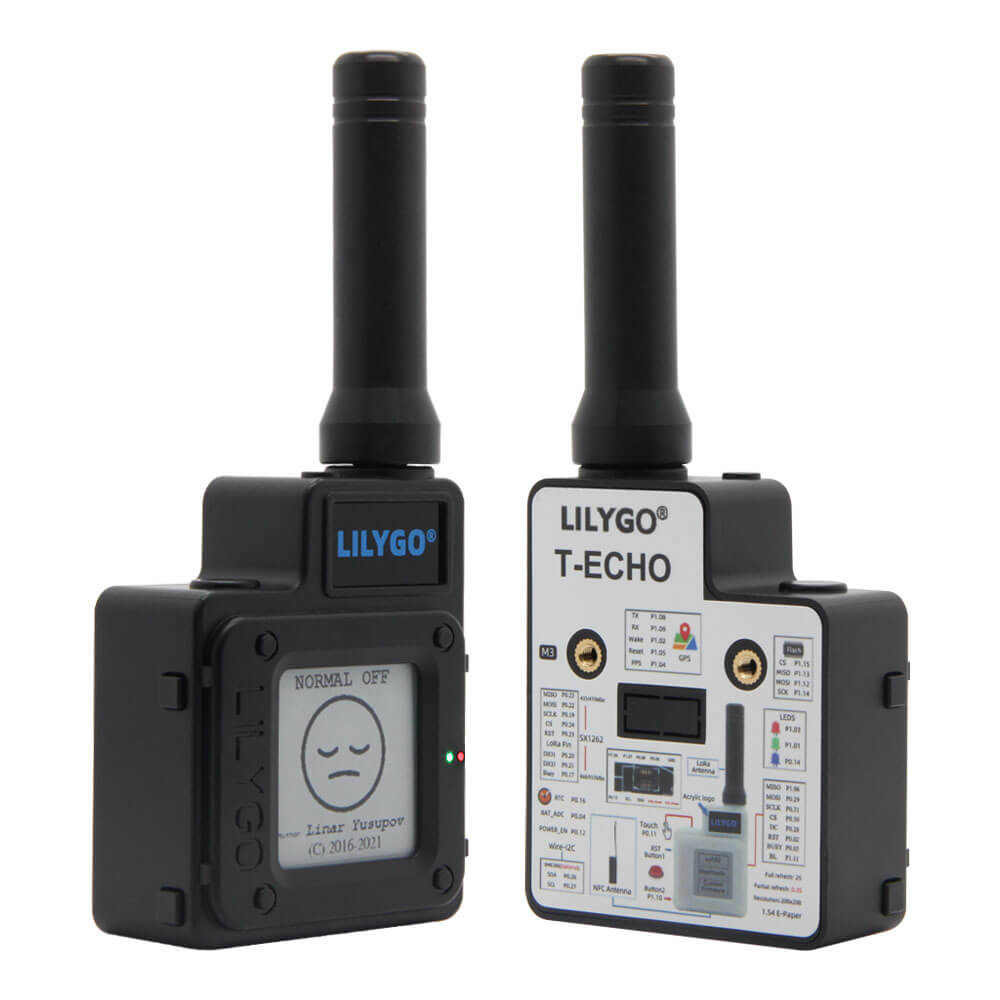
| Spec | Value |
|---|---|
| Chip | nRF52840 |
| LoRa | SX1262, 915 MHz |
| Display | 1.54" e-ink |
| GPS | Optional |
| Approximate Price | $45–65 |
Pros: Excellent battery life (nRF52840 is very low power), sunlight readable, compact
Cons: nRF52840 flash process is slightly different - use the nRF-specific flasher instructions
Antennas
The stock antenna that comes with most devices is adequate for getting started, but upgrading can meaningfully improve range on a fixed node. The antennas below have been personally tested on the CSRA network - the notes reflect real-world experience, not spec sheets.
Height beats power
A $15 antenna on a rooftop will outperform a $100 antenna at ground level. For fixed relay nodes in the CSRA, elevation is the most valuable upgrade.
SMA vs RP-SMA connectors
Most LoRa antennas and devices use standard SMA connectors. Some devices - including the Seeed Wio Tracker L1 Pro - ship with RP-SMA (reverse polarity) connectors instead. The two look nearly identical; the difference is whether the center pin or socket is on the antenna side. Check closely before buying. If your device has RP-SMA, you can swap in a standard SMA antenna - they just snap on and off. This page recommends standard SMA antennas throughout.
The Alfa 915 below is an exception - it uses an N-type connector, not SMA at all.
Budget Stub - Not Recommended
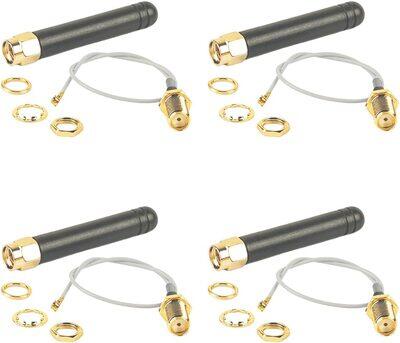
Listed here for completeness - this was tested and is a step up from a stock chip antenna, but performance wasn't good enough to recommend. The recommended whip below costs only a few dollars more and is a much better choice. Skip this one.
Connector: SMA | Approximate price: ~$3
Recommended Whip - Used in Most CSRA Nodes
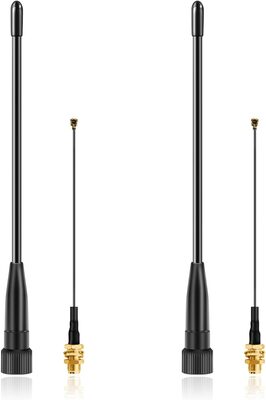
This is the antenna used in the majority of CSRA community relay nodes. Good performance at a reasonable price. Easy to source, widely available, and a reliable choice for any fixed installation.
Connector: SMA | Approximate price: ~$8
Muzi Whip - Well-Known Community Option
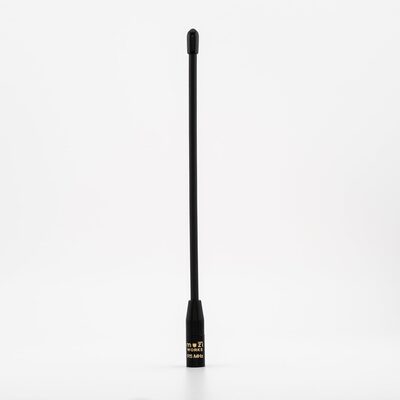
Commonly known as the "muzi whip" in the Meshtastic and MeshCore community. Performs on par with the recommended whip above at a slightly higher cost. Either is a solid choice - pick whichever is better priced when you're ordering.
Connector: SMA | Approximate price: ~$12
High-Gain Outdoor - Alfa 915
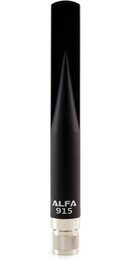
A higher-gain outdoor antenna with a more robust build and weatherproof design. Generally popular for permanent rooftop or ground-level installations, and a good choice where you want a sturdier connector for a long-term outdoor install.
One important caveat: the beam pattern tilts slightly upward rather than being purely horizontal, which can cause it to miss links to nodes positioned high in trees. If you're deploying tree repeaters, the recommended whip above tends to make better links.
Connector: N-type (not SMA - you'll need an N-type mount or adapter) | Approximate price: ~$20
RF Filters
If your node is near a cell tower, a water tower full of antennas, or another busy antenna site, strong signals on nearby frequencies can raise your noise floor and quietly cost you links. A small 915 MHz bandpass filter between the radio and antenna blocks those signals for about 1.5 dB of loss.
Most nodes don't need one. If your noise floor reads -105 or higher, it's worth trying.
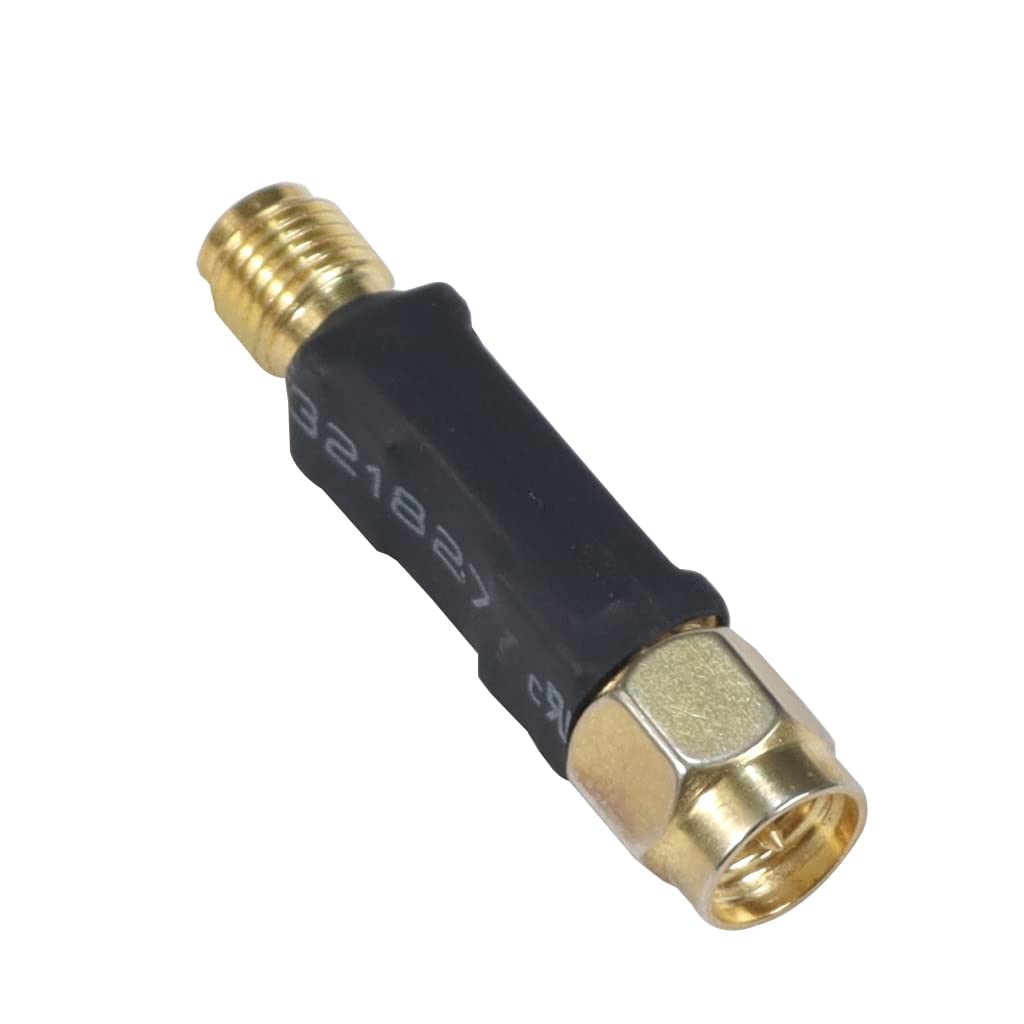
Connector: SMA male / SMA female | Rated power: up to 1 W
Enclosures for Fixed Nodes
If you're deploying a permanent relay node outdoors, weatherproofing is essential in the humid Augusta climate.
- Hammond 1554 series (IP67) - watertight, easy to modify, widely available
- BUD Industries NBF series - good balance of size and price
- 3D printed + conformal coat - flexible but requires proper sealing around connectors
Use N-type or SMA weatherproof connectors for antenna feed-throughs. Don't leave coax connectors exposed to rain.
Power Options for Fixed Nodes
| Option | Notes |
|---|---|
| USB wall adapter | Simplest, requires AC power at site |
| USB power bank | Good for short-term / portable deployments |
| 18650 + solar panel | Popular for off-grid relay nodes |
| LiFePO4 battery + MPPT | Best long-term solution for outdoor solar nodes |
A 5W solar panel with a 3000 mAh LiFePO4 battery is sufficient to power most devices indefinitely in the CSRA's sun exposure.
Where to Buy
- Amazon - fastest shipping, verify seller ratings and confirm 915 MHz
- AliExpress - lowest prices, 2–4 week shipping from China, check band carefully
- Rokland (rokland.com) - US-based, LoRa specialty retailer, good antenna selection
- Mouser / Digi-Key - for RAK WisBlock modules and professional components
What NOT to Buy
- 433 MHz devices - wrong frequency band for the USA, illegal on unlicensed frequencies
- 868 MHz devices - EU band, will not interoperate with the CSRA network
- No-name "LoRa" modules without SX1276/SX1262 - clone chips often have poor range and reliability